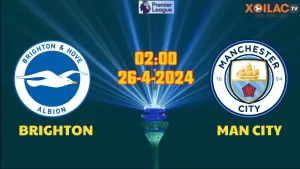
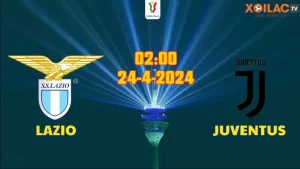
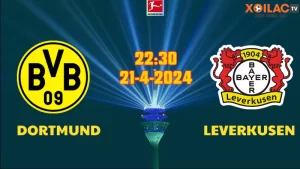
Xoilac TV - Xôi Lạc TV là website trực tiếp bóng đá được người Việt Nam yêu thích #1 năm 2024. XoilacTV phát sóng bóng đá trực tuyến Ngoại Hạng Anh, Ligue 1, World Cup.... Xem bóng đá Xoilac 90phut miễn phí có bình luận viên Tiếng Việt.
Giới thiệu tổng quan Xoilac TV
Xoilac cung cấp link xem tructiepbongda những trận đấu kịch tính, siêu kinh điển của các giải đấu bóng đá trong nước và thế giới: Ngoại Hạng Anh, Champions League, V.League, La Liga, Serie A, Pháp, Serie A... Xoilac TV hoạt động với nguyên tắc là đem đến cho Fan hâm mộ bóng đá những đường link xem bóng trực tuyến chất lượng cao nhất.
Xoi Lac TV có đội ngũ bình luận viên bóng đá người Việt nhiều kinh nghiệm, giọng đọc hấp dẫn. Các BLV chuyên nghiệp luôn online 24/7 để tường thuật tất cả các trận đấu diễn ra trong ngày. Xoilac còn cập nhật liên tục lịch thi đấu, bảng xếp hạng, kqbd giúp fan hâm mộ nắm bắt và hòa nhịp được với niềm đam mê bất diệt với bóng đá.
Với một giao diện thân thiện, dễ sử dụng và tốc độ tải trang nhanh chóng, Xôi Lạc TV đã đem đến cho người dùng trải nghiệm xem bóng đá trực tuyến cực kỳ tuyệt vời.
Giới thiệu tổng quan về Xoilac TV
Mục tiêu, sứ mệnh phát triển của Xoilac
Hiểu được nhu cầu theo dõi bóng đá trực tiếp cực lớn ở thời điểm hiện tại, Xoilac TV đã có mặt kịp thời trên thị trường để phục vụ nhu cầu của Fan tại Việt Nam. Mục tiêu hoạt động của Xoilac là phát trực tiếp các trận cầu hấp dẫn miễn phí, với chất lượng cao nhất, để người Việt Nam có thể tiếp cận được những trận cầu HOT nhất.
Để phát triển trang web một cách nhanh chóng, đội ngũ cấp cao của Xoilac luôn cố gắng lắng nghe ý kiến cùng các đóng góp mang tính xây dựng của khán giả. Từ đó cải thiện và nâng cấp hệ thống trở thành phiên bản hoàn hảo bậc nhất. Hiện tại XoilacTV đang mở rộng phát triển nhiều thị trường lớn trên thế giới như Brazil, Nhật Bản, Hàn Quốc, Indonesia.
Định hướng trong 5 năm tới của chúng tôi là trở thành một kênh bóng đá trực tuyến hàng đầu Châu Á. Không chỉ phát sóng bóng đá, chúng tôi còn cung cấp tin tức, lịch thi đấu, bảng xếp hạng, tiểu sử cầu thủ, hướng tới phát triển Xoilac thành một Wikipedia bóng đá thực thụ.
Ưu điểm nổi bật nhất của Xoilac TV Tructiepbongda
Xem bóng đá miễn phí, không quảng cáo
Ưu điểm đầu tiên khiến Xoilac nhận được sự yêu thích lớn của nhiều người xem đó là cho phép xem bóng đá đỉnh cao mà không cần trả thêm bất cứ khoản phí phát sinh nào. Mặc dù có thể theo dõi miễn phí tuy nhiên các yếu tố từ hình ảnh cho tới âm thanh đều đạt chất lượng tốt nhất.
Xôi Lạc TV cũng hạn chế tối đa việc đặt banner quảng cáo trên website, giúp người xem tận hưởng trận cầu một cách mỹ mãn nhất. Các trang trực tiếp bóng đá khác thường đặt rất nhiều hình ảnh quảng cáo, làm giảm trải nghiệm người dùng.
Chất lượng hình ảnh cực kỳ sắc nét
Một trong các yếu tố giúp Xoilac TV thu hút được người xem lớn chính là chất lượng hình ảnh cực kỳ sắc nét mang tới những phút giây cực kỳ thư giãn. Với những hình ảnh đạt chất lượng HD/4K, bạn có thể bắt trọn những khoảnh khắc dứt điểm, chuyền bóng hay cản phá trong trận đấu.
Hệ thống âm thanh chất lượng, chân thực
Ngoài hình ảnh cực kỳ ấn tượng và sắc nét ra, Xoilac còn mang tới hệ thống âm thanh cực kỳ sắc nét và sống động. Từ đó giúp người xem có thể dễ dàng cảm nhận thấy sự hào hứng cũng như chân thực vô cùng. Điều này khiến họ cảm nhận như đang được chứng kiến trận bóng đá trực tiếp ngay tại sân vận động lớn hàng đầu thế giới.
Xoilac xem bóng đá trực tiếp chất lượng cao
Bình luận viên chuyên nghiệp, hài hước
Xoilac TV hiện đang sở hữu đội ngũ bình luận viên (BLV) cực kỳ chuyên nghiệp, được đào tạo cực kỳ chuyên sâu với kiến thức sâu rộng. Những BLV bóng đá như Deco, Batman, Tạ Biên Giới, Leo, Rio sẽ đưa ra những nhận định mang tính chuyên môn, mà không kém phần hài hước.
Đội ngũ BLV Xôi Lạc luôn túc trực bình luận 24/24 tất cả các giải đấu lớn nhỏ trên toàn thế giới, kể cả các trận bóng cỏ cũng có BLV.
Cộng đồng người dùng đông đảo
Xôi Lạc là thương hiệu trực tiếp bóng đá lâu đời, vì vậy chúng tôi có một cộng đồng Fan đông đảo trên các nền tảng mạng xã hội (Facebook, Tiktok, Youtube, Twitter). Nơi đây chính là sân chơi, là cầu nối các anh em đam mê bóng đá có cơ hội gặp gỡ.
Bảo mật thông tin tuyệt đối
Chúng tôi có hệ thống bảo mật thông tin người dùng. Xoilac được xây dựng bởi các kỹ sư lập trình web hàng đầu Việt Nam hiện nay. Khi trải nghiệm xem bóng đá trực tuyến trên Xoilac TV, bạn sẽ yên tâm về các thông tin cá nhân của mình không bị đánh cắp, hay nghe lén.
Highlight trận đấu tiện lợi
Nếu như các bạn quá bận không thể xem trực tiếp trận đấu mà bản thân yêu thích thì cũng đừng quá lo lắng. Bạn có thể vào trang XoilacTV để xem lại video highlight với chất lượng cao bất cứ lúc nào. Chúng tôi sẽ luôn lưu giữ và cập nhật highlight cho toàn bộ những trận đấu hấp dẫn vừa mới diễn ra với chất lượng cao và nội dung trọn vẹn nhất.
Lịch thi đấu bóng đá đầy đủ
Tại Xoilac, bạn cũng sẽ biết được toàn bộ lịch thi đấu của tất cả các giải bóng đá đang và sẽ diễn ra. Do vậy, mỗi ngày bạn luôn nắm được lịch của các trận đấu hiện nay với những thông tin đầy đủ như địa điểm diễn ra, thời gian trận đấu tổ chức, đội hình ra sân của đội bóng...
Bảng Xếp Hạng cập nhật 24/7
Xôi Lạc TV sẽ cập nhật liên tục BXH cho toàn bộ các giải bóng đá lớn ở trong nước cũng như trên thế giới. Để người đọc biết được thứ hạng hay là thành tích của đội bóng mà bản thân yêu thích như thế nào.
Tin tức bóng đá nhanh nhạy
Xoilac mỗi ngày đều cập nhật những tin tức bóng đá mới nhất ở tất cả các giải đấu lớn, nhỏ. Điều này, giúp cho bạn có thể nắm được tình hình bóng đá từ trong nước đến quốc tế mà không cần phải đi đâu hết. Tin tức mà Xôi Lạc cập nhật lên trang cũng rất phong phú: từ tin về giải đấu, trước trận đấu, HLV, cầu thủ...
Ưu điểm nổi bật của website trực tiếp bóng đá XoilacTV
Xoilac TV và những thắc mắc thường gặp
Để quý bạn đọc có thể hiểu hơn về địa chỉ xem bóng đá trực tiếp này, chúng tôi đã tổng hợp và giải thích những câu hỏi mà nhiều người quan tâm nhất. Cụ thể là:
Làm sao để tìm kiếm nội dung trên Xoilac TV?
Xôi Lạc TV cung cấp một công cụ tìm kiếm rất tốt để bạn có thể dễ dàng tìm kiếm nội dung mà bản thân mong muốn. Bạn có thể nhập từ khóa tìm kiếm, tên một giải đấu, một cầu thủ hoặc thể loại tương tự để hiển thị kết quả phù hợp. Bên cạnh đó, trang web cũng cung cấp các danh mục và thẻ liên quan để bạn có thể dễ dàng xem qua các nội dung khác nhau.
Có thể chia sẻ nội dung từ Xoilac lên mạng xã hội hay không?
Xoilac cho phép người dùng chia sẻ nội dung giải trí mà họ yêu thích từ trang web lên mạng xã hội. Người xem có thể sử dụng tính năng chia sẻ được tích hợp sẵn hoặc sao chép đường link rồi chia sẻ nó trực tiếp trên các nền tảng mạng xã hội cực kỳ dễ dàng.
Xoi Lac TV Tructiepbongda có phí sử dụng không?
Không, chúng tôi là một trang web phát sóng bóng đá miễn phí. Bạn không cần trả bất kỳ khoản phí nào để xem trực tiếp các trận đấu như K+, FPT Play, hay VTV.
Xôi Lạc TV có bị giới hạn địa chỉ IP không?
Hiện tại, trang web không áp dụng giới hạn địa chỉ IP. Bạn có thể truy cập và xem trực tiếp các trận đấu từ bất kỳ địa điểm nào.
Có thể xem lại các trận đấu đã diễn ra trên Xoi Lac TV không?
Xôi Lạc TV cung cấp video highlight để bạn có thể xem lại các diễn biến chính của các trận đấu đã kết thúc. Video highlight có chất lượng cao và giúp bạn không bỏ lỡ những khoảnh khắc quan trọng trong trận đấu.
Lời kết
Xoilac TV là trang xem trực tiếp bóng đá hoàn hảo cho những ai đam mê với bóng đá. Xôi Lạc TV cung cấp nhiều nội dung đa dạng và chất lượng cao. Nếu bạn vẫn chưa tìm được địa chỉ phát sóng bóng đá trực tuyến chất lượng hoàn toàn miễn phí thì XoilacTV chắc chắn là 1 lựa chọn không thể sáng suốt hơn. Truy cập ngay để tận hưởng trọn vẹn 90 phút những trận cầu hấp dẫn nhất.
 EDWARD